
How quantum computing threatens modern encryption standards
Imagine a scenario where a rogue nation state actor gains access to the encrypted communications of a major financial institution, allowing them to manipulate global markets with devastating consequences. This is no longer the realm of science fiction, thanks to the rapidly advancing field of quantum computing. In fact, researchers have already demonstrated the ability to break certain encryption algorithms in a matter of minutes using a quantum computer.
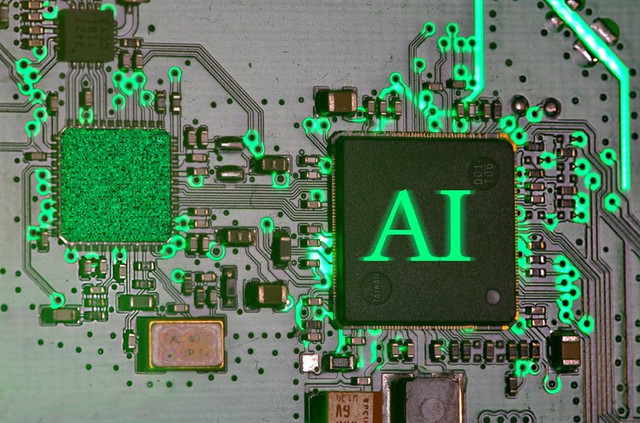
The stakes are high, as modern encryption standards are the backbone of online security. The notion that these standards could be compromised in such a short amount of time is a sobering reminder of the importance of adapting to the evolving threat landscape. This article delves into the implications of quantum computing on modern encryption standards, exploring the potential vulnerabilities and the need for a new approach to data security.
Through in depth analysis and expert insights, this article will examine the capabilities of quantum computers, the limitations of current encryption methods, and the potential solutions that could mitigate the risks posed by this emerging technology.
Quantum Computing's Inevitable Impact on Secure Online Transactions
The advent of quantum computing has sent shockwaves through the cybersecurity community, as experts warn that the technology's immense processing power poses a significant threat to modern encryption standards. One of the primary concerns is the potential for quantum computers to break widely used encryption algorithms, such as RSA and elliptic curve cryptography, which underpin the majority of secure online transactions. This is because quantum computers can perform certain calculations exponentially faster than classical computers, effectively rendering many encryption methods vulnerable to attack.
For instance, a quantum computer could potentially factor large numbers, which are the foundation of RSA encryption, in a matter of seconds. This would allow an attacker to intercept and decrypt sensitive information, such as financial data or confidential communications, with ease. The implications are dire, as a breach of this magnitude could have far reaching consequences for individuals and organizations alike.
To make matters worse, the development of quantum computers is already underway, with several major players, including Google and IBM, actively working on the technology. As the first practical quantum computers come online, the stakes will only continue to rise. In the face of this looming threat, the cybersecurity community is urging the adoption of quantum resistant encryption methods, such as lattice based cryptography and hash based signatures, to ensure the continued security of online transactions. However, this will require a significant investment in research and development, as well as a concerted effort to upgrade existing infrastructure.
Cryptographic Systems Under Siege by Quantum Computing's Unprecedented Power
Cryptography's bedrock, the complex mathematical underpinnings that protect online transactions and communications, are suddenly facing an existential threat. Quantum computing's exponential scaling capabilities, particularly in the realm of Shor's algorithm, are poised to unravel the very fabric of modern encryption standards. This unprecedented power, born from the marriage of quantum mechanics and computer science, has the potential to render even the most sophisticated cryptographic systems vulnerable to exploitation.
The stakes are high: with the ability to factor large numbers exponentially faster than classical computers, quantum computers can effortlessly decipher even the most advanced encryption algorithms currently in use. This would permit malicious actors to intercept and decrypt sensitive information, including financial transactions, military communications, and confidential business data. The implications are far reaching, with the integrity of global digital commerce, national security, and personal privacy hanging precariously in the balance.
The severity of the threat is underscored by the fact that the most widely used encryption protocols, such as RSA and elliptic curve cryptography, are based on mathematical problems that quantum computers can solve in a fraction of the time it takes classical computers. The prospect of a quantum computer compromising the encryption used to secure online transactions, communication networks, and digital identities is a chilling reminder of the need for swift and decisive action to address this emerging threat.
Modern Encryption Protocols Face Extinction by Quantum Computing's Advancements
The once unsinkable edifice of modern encryption protocols is facing an existential threat, courtesy of quantum computing's exponential advances. The cryptanalytic prowess of these powerful machines has the potential to render most contemporary encryption schemes obsolete, leaving sensitive information vulnerable to eavesdropping and theft. For instance, the widely adopted RSA algorithm, which relies on the difficulty of factoring large numbers, can be effectively compromised by a quantum computer capable of performing Shor's algorithm.
The RSA algorithm, which forms the backbone of internet security, is particularly susceptible to quantum attacks. This is because Shor's algorithm can factor large numbers exponentially faster than any classical computer, thereby allowing an attacker to break the encryption keys used to secure online transactions and communications. With the ability to factor large numbers in polynomial time, a quantum computer could rapidly compromise the integrity of RSA based encryption protocols, exposing sensitive information to unauthorized access.
The implications of such an event are far reaching and profound. The collapse of modern encryption protocols would have far reaching consequences for global security, commerce, and governance. The trust that underpins the internet's very fabric would be irreparably damaged, as users would no longer be confident that their online interactions are secure and private. In this scenario, the internet would be transformed into a Wild West of cybercrime, with malicious actors free to roam unchecked and wreak havoc on the digital landscape.
Classical Encryption's Vulnerability to Quantum Computing's New Threats
One of the most pressing concerns in the field of cryptography is the potential threat posed by quantum computers to classical encryption standards. The advent of quantum computing has opened up new avenues for hackers to exploit vulnerabilities in traditional encryption methods, leaving sensitive information and critical infrastructure at risk.
The problem arises from the fact that classical encryption relies on the difficulty of solving certain mathematical problems, such as factorizing large numbers or computing discrete logarithms. However, quantum computers can solve these problems exponentially faster than classical computers, effectively rendering traditional encryption methods vulnerable to attack.
For instance, the popular RSA encryption algorithm, which is widely used to secure online transactions, relies on the difficulty of factorizing large numbers. Quantum computers, with their ability to perform quantum parallel processing, can factor large numbers in a matter of seconds, rendering RSA encryption potentially vulnerable to attack. Similarly, quantum computers can also break other encryption algorithms, such as elliptic curve cryptography and Diffie Hellman key exchange.
Breaking Down Barriers with Quantum Resistant Encryption Solutions
The advent of quantum computing has sent shockwaves through the cryptography community, as experts warn that the increased processing power could potentially compromise modern encryption standards. The stakes are high, as the integrity of online transactions, financial data, and sensitive information hangs in the balance. To mitigate this risk, a new generation of quantum resistant encryption solutions is emerging, designed to withstand the might of quantum attacks.
One key challenge lies in the development of quantum resistant key exchange protocols. Traditional public key cryptography relies on the difficulty of factoring large numbers, a problem that quantum computers could solve in a matter of seconds. To counter this threat, researchers are exploring alternative key exchange mechanisms, such as lattice based cryptography and hash based signatures. These approaches offer a higher level of security, as they are inherently resistant to quantum attacks.
Another crucial aspect of quantum resistant encryption is the integration of post quantum algorithms into existing systems. This requires a fundamental shift in the way encryption is implemented, from the development of new protocols to the integration of these solutions into existing infrastructure. The good news is that many major technology companies are already working on this problem, recognizing the need for a secure and sustainable encryption framework that can withstand the challenges posed by quantum computing.
Encryption's Evolutionary Leap to Quantum Proof Security Measures
The cornerstone of modern encryption standards is the RSA algorithm, which relies on the difficulty of factoring large composite numbers. However, the emergence of quantum computers poses a significant threat to this foundation, as these machines can potentially factor large numbers exponentially faster than classical computers. This has sparked a pressing need for encryption methods that can withstand the might of quantum computing, driving a paradigmatic shift in the development of secure communication protocols.
The quest for quantum proof security measures has led researchers to explore novel cryptographic techniques, such as lattice based cryptography and code based cryptography. These approaches rely on the hardness of problems related to the geometry of lattices and the error correcting capabilities of codes, respectively. While these methods show promise in resisting quantum attacks, their adoption will require significant upgrades to existing infrastructure and the development of new cryptographic libraries.
Another crucial aspect of quantum proof security is the use of quantum resistant digital signatures. Traditional digital signature schemes, such as those based on the RSA algorithm, are vulnerable to quantum attacks. In contrast, quantum resistant digital signatures, like those based on the code based cryptography, offer an essential layer of security for verifying the authenticity and integrity of digital messages. As the quantum computing landscape continues to evolve, the need for quantum proof security measures will only intensify, driving innovation and transformation in the field of cryptography.
Quantum Computing's Dark Horse: Unforeseen Risks to Data Protection
Data encryption has long been the cornerstone of secure online transactions, but the emergence of quantum computing is poised to upend this status quo. The very same properties that make quantum computing so powerful for solving complex problems also render many encryption methods useless. A single quantum computer can potentially break certain encryption algorithms, leaving sensitive data vulnerable to interception and exploitation.
The risk is not limited to theoretical scenarios. In recent experiments, researchers have successfully demonstrated the feasibility of quantum computers cracking certain encryption codes. For instance, a team from the University of Cambridge reportedly cracked a simulated encryption algorithm using a quantum computer, highlighting the potential for significant breaches in current data protection systems.
The implications are far reaching, extending beyond mere intellectual curiosity. With the increasing reliance on digital transactions and the growing threat of cyberattacks, the potential consequences of compromised encryption could have devastating economic and social impacts. As the quantum computing landscape continues to evolve, it is crucial that experts, policymakers, and stakeholders alike acknowledge the looming threat and work together to develop new, quantum resistant encryption standards that safeguard the integrity of our digital world.
Unlocking the Future of Secure Data Transmission with Quantum Ready Encryption
Data transmission has become an integral part of our digital lives, and encryption has been the unsung hero in ensuring the confidentiality, integrity, and authenticity of our online interactions. However, the rise of quantum computing threatens to undermine the very foundations of modern encryption standards. The reason is simple: quantum computers can potentially break certain types of encryption algorithms much faster than classical computers. This has sparked a sense of urgency among cryptographers, security experts, and policymakers to develop quantum ready encryption solutions that can withstand the might of these powerful machines.
The implications are far reaching. If a quantum computer were to successfully break a widely used encryption algorithm, it could compromise the security of sensitive information, including financial transactions, personal data, and confidential communications. This could have devastating consequences, particularly for organizations and individuals who rely heavily on secure data transmission. Moreover, the loss of trust in the security of digital transactions could lead to a decline in the adoption of online services, undermining the very fabric of the digital economy.
The good news is that researchers and developers are actively working on creating quantum ready encryption solutions that can resist the attacks of quantum computers. These solutions involve the use of quantum resistant algorithms, such as lattice based cryptography and code based cryptography, which are designed to be more resilient against quantum attacks. Moreover, the development of hybrid encryption approaches, which combine classical and quantum resistant algorithms, offers a promising way to ensure the long term security of data transmission. The challenge now is to ensure the widespread adoption of these new encryption standards and to develop a robust infrastructure for their implementation and maintenance.
Conclusion
The implications of quantum computing on modern encryption standards are far reaching and profound. As the world becomes increasingly reliant on digital communication, the need for secure data transmission is more critical than ever. Yet, the advent of quantum computing poses a significant threat to the very foundations of our cryptographic defenses.
The prospect of a quantum powered attacker exploiting vulnerabilities in our encryption schemes is a chilling one, with the potential to compromise sensitive information on a massive scale. The stakes are high, and the consequences of failure would be catastrophic.
It is imperative that we acknowledge the gravity of this situation and take proactive measures to address the issue. This will require a concerted effort from governments, industries, and researchers to develop and implement new encryption standards that are quantum resistant. The future of secure communication depends on it.


Social